I did a day’s work last week – shock horror! I may be about to hit 75, but my brain is still working – mostly. I spent last Tuesday at Global Underwater Hub’s (GUH) Bristol office, covering the Celtic Sea floating offshore wind (FLOW) conference for North Sea Reporter, the offshore rag run by my friend Meg Leitch. Just in case you had forgotten, GUH is what Subsea UK morphed into when it saw the writing on the wall and decided that bringing offshore wind, particularly FLOW, under its umbrella would be a good thing for the future.
It was a most interesting day. The subject matters meandered from licencing policy and oversight (The Crown Estate) to business grants and organisational points to technical issues including the geology of the seabed which is significantly different from the North Sea to make anchoring and mooring hot subjects.
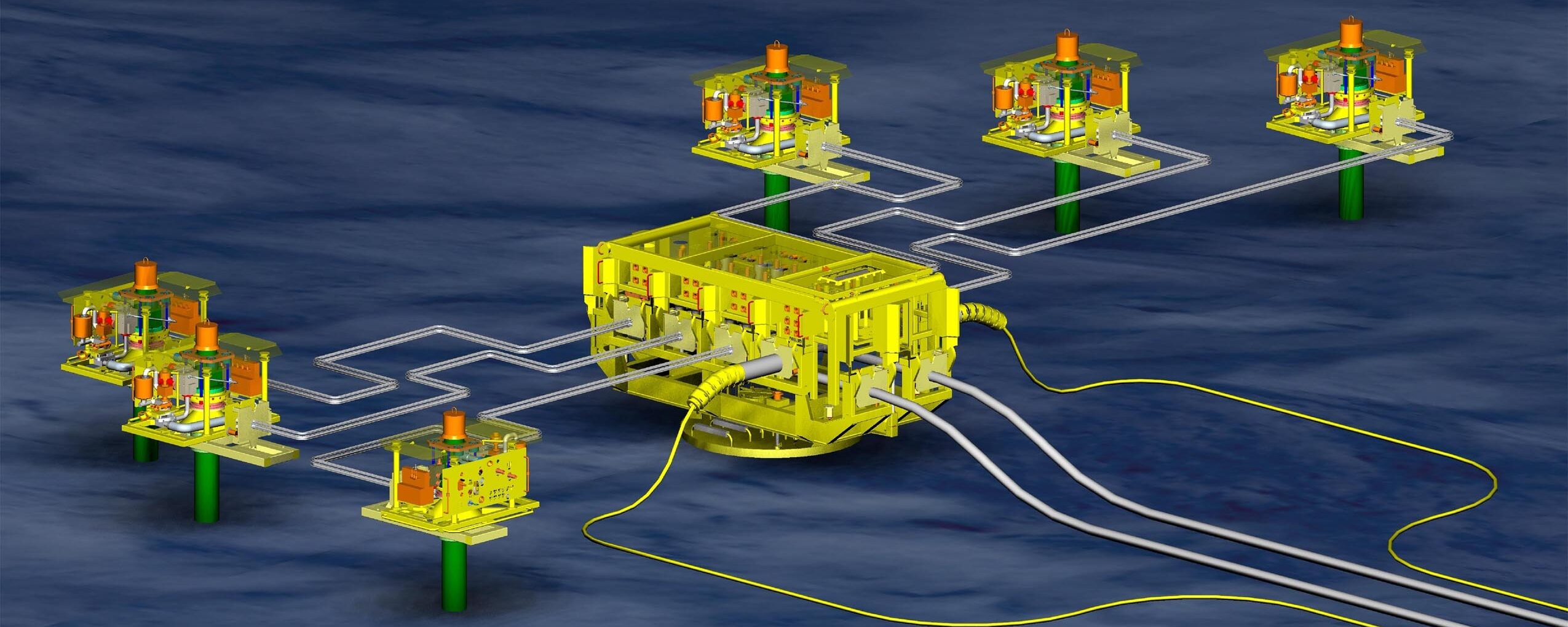
This is not why I have hit the keyboard again. What struck me were the similarities between what is going on with the supply chain for FLOW and the subsea sector 40 years ago. Back in the early to mid 1980’s – I speak from firsthand experience as that was when Subsea Engineering News was born – the subsea sector was still dominated by American engineering and equipment companies British companies were struggling to gain a foothold. Then the Offshore Supplies Office (OSO) stepped in. It established a structure for how early stage and front-end contracts were to be awarded and gave the British newbies some hope that they could establish themselves in the nascent world of subsea production systems.
No one will argue that British companies did brilliantly well. They did not, but there were successes. JP Kenny, later part of Wood Group, was one company that succeeded, along with Wellstream which was able to compete in the flexibles world with Coflexip. All of the big hardware companies – Cameron, FMC, Vetco Gray, Kvaerner, et al – had big plants here, so while corporate profits may have been repatriated, there were jobs and local suppliers benefited to some degree. Nailsea was an important centre for controls technology through various incarnations and owners. ROVs (Slingsby) and connectors were two other areas where the UK did okay as well as diving and underwater operations, but wait a minute! Does anyone even remember some of these companies? Little is the way is the way it was 40 years ago. There are only a handful of companies which still bear the same monikers that they did back then, many have new amorphous names, like Valaris, Acteon, SLB, etc, that mean little to anyone except the cognoscenti.
In the world of FLOW, companies with some level of expertise – usually in associated technology that will be relevant in the new renewables world – are struggling to get established as such projects are still in the pre-commercial phase with some of the technology only just getting its first operation. There can be little appetite for investing or hiring with the continuing uncertainty.
This is somewhat happened in the subsea sector. Investment followed projects rather than leading them into a new era. UK companies wanted to secure contracts on home territory before venturing into the big international world. This proved not to be a big successful formula.
There is hope for the FLOW sector yet as there is a significant chunk of money – £350mn – available in government grants to help startups. This might help as long as they have big lungs and can hold their breath long enough.
Just a minor point for laughs: FLOW was previously dubbed FOW, but it was decided that it was a less understandable acronym. So now we FLOW. Imagine that.