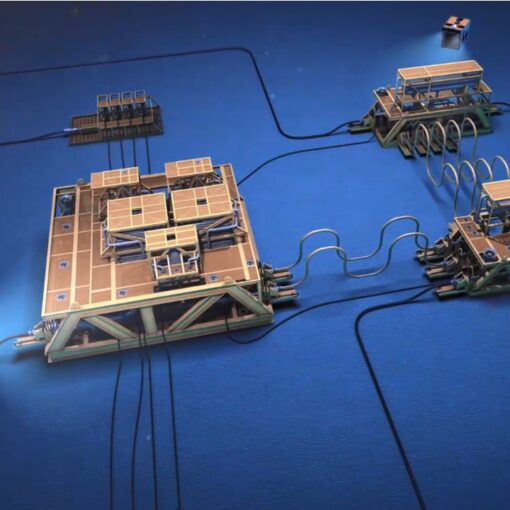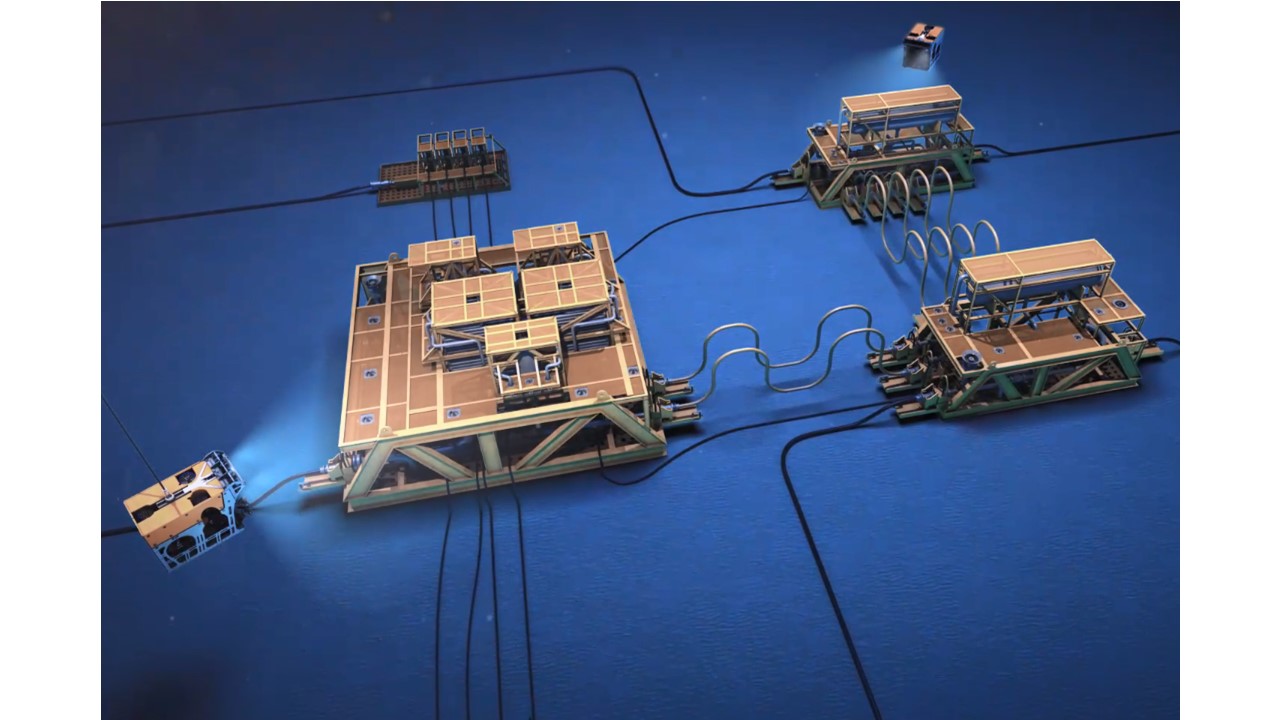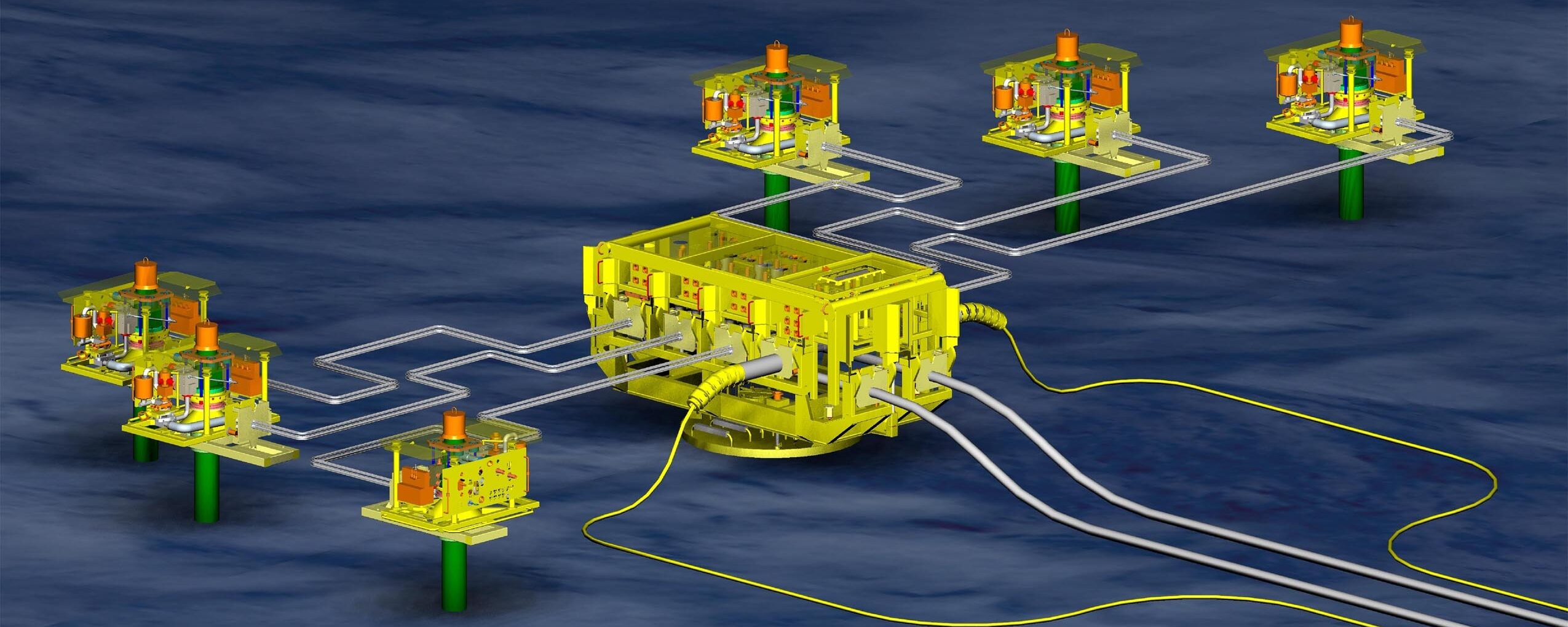
There are always items popping up on the net that bring back interesting memories. A recent item was no exception. Several folks made note of the fact that OneSubsea had just delivered its 1,500th subsea control module (scm).
Now why is this of some significance to the industry at large and to me in particular? To the industry as a whole, it was notable because OneSubsea, previously known as Cameron, was late coming to the controls and the EPC game. Unless my memory has totally gone, it delivered an EPC package for the Toni field back in the early 90’s, but then never won another such contract and disappeared back into xmas trees and wellheads. At some point in the early noughties, it decided to have another go at the package market which meant it had to develop controls technology suitable for the new deepwater era. Its centre of excellence was not to be Leeds where they manufactured xmas trees, but in Celle in Germany.
Some folks might not know this. It might seem a bit strange as Germany is not normally seen as a hotbed of offshore technology, notably as it has a very small coastline and little offshore production to speak of. It does, though, have an onshore oil sector and several operating companies – DEA and Wintershall (now one company) – who have made a mark in other offshore sectors. It also has – as those who drive around in Beamers and Audiologists know – considerable engineering and manufacturing capability. So it was that then Cameron launched into the controls market. It had the computer and electronics folks to do these equipment developments, but many new little of subsea. That is where my great friend, the long-departed Bill Loth, and I come in. Cameron sent many of its newly minted controls specialists on our subsea production systems engineering courses in the noughties and whenever something comes up related to OneSubsea on LinkedIn I often see names that I remember. I even had the pleasure of visiting the plant there during my time as editor of SEN.
I can not resist telling a few stories about Celle. If you ever happen to travel there, you will wonder how so many of its medieval buildings survived the massive bombing of Germany as World War II was winding to an end. I was reliably informed that some members of the British royal family asked the RAF to not level Celle, despite the fact that it was the centre of the country’s oil industry, because it was also the ancestral home of the Windsors, nee Mountbatten and Hanover, The other interesting point of note is Ratzeputz. Conjured up in Celle or nearby, it is a highly alcoholic (58%) herbal drink (140 different herbs I was told) that was invented in the mid 19th century that was meant to see off any illnesses of the lower classes who could not afford to see doctors. I can attest to its strength. One is advised not allow any open flames anywhere near it.
There was one other connection. Husky Oil, another of our regular training clients, had a production sharing agreement with the Chinese operator CNOOC which included a technology transfer and training requirement. Husky engaged Bill and me to go to its offshore activity centre in Shenzen to run a subsea course for CNOOC. Husky’s first project in Chinese waters was a deepwater subsea development with equipment supplied by…OneSubsea. The hands-on element of the course took us to the Husky-OneSubsea base to see its shiny new subsea manifold with control modules.
So congrats to OneSubsea on its scm milestone. It gave me a chance to trawl my memory about Celle, China and, of course, Bill Loth.