Equinor, in a comment piece that accompanied its Capital Markets Day presentation this week, repeated an oft spoken ditty – the days of big offshore finds is over. I find this a disingenuous view that simply supports big companies’ positions and makes what they do now seem to be clever and harder to achieve. It may be no such thing.
This view – that there are no more big finds to be made – has been echoed for decades. Let’s examine what has happened in various sectors around the world in recent times. Norway is usually seen as a mature offshore province, but it was only in 2010 that the giant John Sverdrup field was ‘found’ by Equinor with the development plan approved five years later and production startup four years after that.
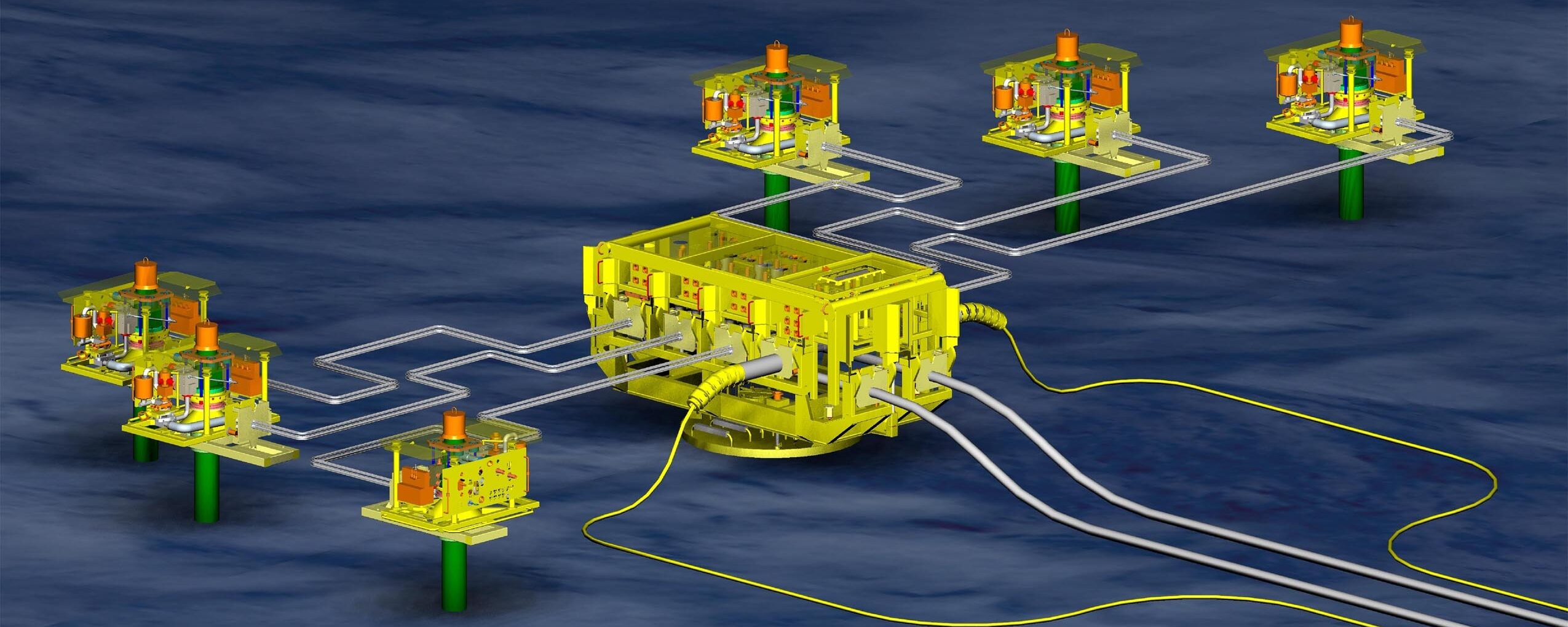
So was this something special? Noooo. The truth is that two of the biggest operators in the world – ExxonMobil and TotalEnergies – both missed this substantial reservoir by relatively small distances and then abandoned further exploration in the area. Sounds a bit like Phillips back in the 1970’s. And while Equinor chooses to laud its success here, it really was no such thing. In its previous guise as Statoil, it made a relatively small find in the middle of the reservoir and was planning a limited subsea development. It was not until the geophysicists from partner Lundin, some of whom had cut their exploration teeth back with Saga Petroleum, got their hands on the seismic data, that a true picture of what was in place – nearly 3 billion barrels with peak production of 750,000b/d three years ago. Just this week, Equinor announced Phase 4 of production through the latest subsea development.
Where else has this happened? While the production growth in the deep waters off Brazil continues, what about to the northeast of this sector? Who heard much about Guyana more than a decade ago? ExxonMobil announced its Liza-1 find in 2015 which has led to four producing fpso’s totalling 900,000b/d with two more due this year and another by 2029, That is seven projects in just a decade which should eventually be producing over 1mmb/d.
Lingering out there will be production in Namibia plus more from South Africa and Mozambique. Add in finds off Indonesia and Timor Leste that await developments and even the Falklands. So guys, stop making out that life is tough. It might be challenging, but it has always been thus. Big risks and big rewards. And then who started this dumb war in the Middle East? Their man in the White House. Doh!
Another piece of big news last week was that BP was reorganising itself into upstream and downstream divisions. Wow – what a great idea! How come no one ever thought of this before? Imagine this scenario – oil companies making money on both sides of the price cycle – upstream when the price of oil is high and downstream when it is lower. Amazing – NOT!
For those novices without knowledge of the history of the biz, this is what oil companies did for decades until many decided to sell off much or all of their downstream sides for attractive prices. Unfortunately this screwed consumers – both industrial and domestic – when the buyers turned out to be incompetent, unscrupulous or both. The stories don’t need to be repeated. Check the regular news pages. So BP is getting back into downstream. Can you hear the sound of one hand clapping?